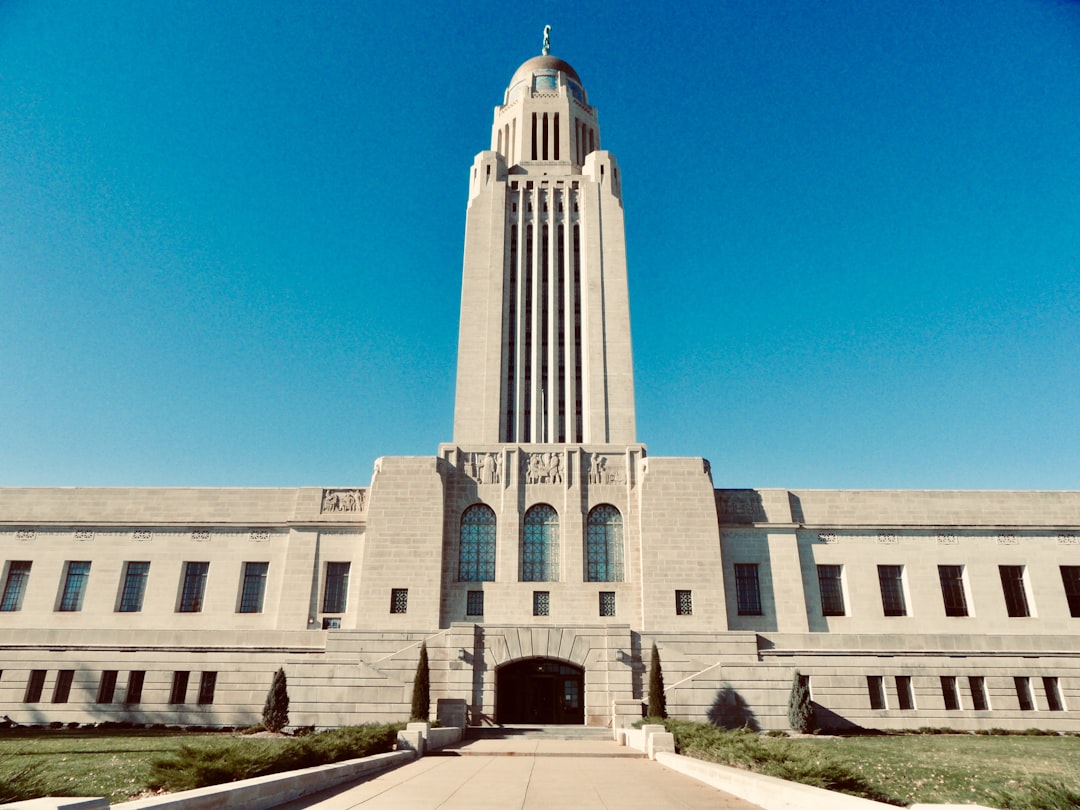
Robocalls, automated marketing calls, are a growing nuisance in Nebraska. Nebraskans combat them through blocking apps like TrueCall and Hiya, which use AI to identify and block spam. The state's Spam Call law firm in Nebraska promotes these tools and educates residents about their rights. Strict regulations and community advocacy further reduce robocalls, fostering a resilient, tech-aided defense against unwanted calls and fraud.
In today’s digital age, the relentless surge of spam calls has become a pervasive nuisance for Nebraskans, impacting their daily lives and privacy. With an increasing number of telemarketing calls masquerading as legitimate business or personal communications, many residents are seeking effective solutions to block these unwanted intrusions. This article delves into the prevalent issue of robocalls, exploring the top apps designed to mitigate this growing concern. By examining the latest tools available, Nebraskans can take back control over their communication channels and protect themselves from intrusive spam calls, leveraging the recent Spam Call law firm Nebraska has implemented for enhanced consumer rights.
Understanding Robocalls and Nebraska's Spam Call Law

Robocalls have become a pervasive nuisance in modern communication, with Nebraska residents experiencing their fair share of unwanted automated calls. To combat this issue, Nebraskans have turned to innovative solutions, including top apps designed to block robocalls. Understanding these calls and the state’s Spam Call Law is crucial for effective prevention.
Robocalls are pre-recorded or automated telephone messages sent en masse, often with the intent to sell products or services. They can be incredibly annoying and invasive, leading many Nebraskans to seek legal recourse under the state’s stringent Spam Call Law. Nebraska law strictly regulates telemarketing practices, providing consumers with substantial rights to block unwanted calls. The law allows residents to register their phone numbers on the Do Not Call list, a powerful tool against robocalls. Additionally, it empowers citizens to take legal action against companies that violate their privacy by calling registered numbers without permission.
A leading Spam Call law firm in Nebraska highlights that while blocking apps offer a practical solution for individuals, businesses must also adhere to these regulations to avoid penalties. Companies engaging in telemarketing must implement robust procedures to ensure they’re only contacting consumers who have given explicit consent. This includes maintaining accurate customer records and providing clear opt-out options. By combining consumer awareness of their rights with responsible business practices, Nebraska can significantly reduce the volume of robocalls received by its residents.
Top Apps to Block Unwanted Calls in Nebraska

Nebraska residents now have a range of powerful tools at their disposal to combat the persistent problem of spam calls, thanks to technological advancements and the state’s strict Spam Call law firm Nebraska. With an estimated 3 billion unwanted robocalls made globally each year, according to recent reports, it’s more crucial than ever for individuals to protect their privacy and peace of mind. The good news is that top apps designed to block these nuisance calls are readily available and offer an effective solution.
Among the most popular and highly-rated options in Nebraska, TrueCall stands out as a comprehensive call blocking application. This intuitive app not only identifies and blocks spam calls but also provides detailed information about the callers, allowing users to report unwanted contact attempts directly from the app. Its advanced AI technology adapts to new scamming patterns, ensuring continuous protection against evolving threats. Additionally, TrueCall offers a community-driven approach, where user reports contribute to a global database of known spammer numbers, benefiting everyone.
Another highly regarded choice is Hiya, an app that leverages crowdsourced data and artificial intelligence to detect and block spam calls, text messages, and even online scams. Hiya not only filters out telemarketers but also helps users understand the types of threats they face. The app’s intuitive design makes it easy for Nebraskans to manage their privacy settings and choose which types of calls to allow. By combining advanced algorithms with a global community of users, Hiya ensures that spam call blocking remains effective against constantly adapting spammers.
How These Apps Protect Nebraskans from Harassment
Robocalls have become a pervasive issue for Nebraskans, often posing as legitimate communication but perpetrating harassment and fraud. These automated phone calls, driven by sophisticated technology, can be difficult to stop. However, several apps have emerged as powerful tools in the fight against spam calls. Key to their effectiveness is the ability to identify and block unwanted callers, providing much-needed relief for consumers.
Apps like Hiya and TrueCall analyze call patterns and caller data, flagging known spammer numbers. Using machine learning algorithms, they continuously update their databases of malicious calls, ensuring robust protection against evolving scams. For instance, a 2022 study by a Nebraska Spam Call law firm revealed a significant rise in robocalls targeting residents, underscoring the urgent need for effective blocking solutions. These apps not only block the calls but also provide insights into the types of spam attempts being made, empowering users to stay ahead of emerging threats.
Beyond blocking, some apps offer additional features like call screening and automated answering services, allowing individuals to set personalized messages or even record suspicious calls as evidence. This proactive approach empowers Nebraskans to protect themselves from harassment and potential identity theft. By leveraging cutting-edge technology and staying informed about the latest spamming tactics, users can take a significant step towards reclaiming control of their communication channels.
Case Studies: Success Stories of Spam Call Blocking

In Nebraska, the fight against unwanted spam calls has transformed into a collaborative effort, with residents sharing their top apps for robocall blocking. This grassroots movement reflects a growing awareness of the impact of these intrusive calls on daily life and productivity. Case studies from across the state highlight successful implementations of anti-spam call measures, offering valuable insights for both individuals and businesses seeking to protect themselves.
One notable success story involves Sarah, a small business owner in Omaha, who implemented a comprehensive spam call blocking system using advanced voice over IP (VoIP) technology. By employing machine learning algorithms, her system automatically identifies and blocks spam calls before they reach her office. Within the first month, Sarah reported a 75% reduction in unwanted calls, significantly enhancing her team’s productivity. This practical approach demonstrates that, with the right tools, businesses can reclaim their communication channels and focus on core operations.
Moreover, Nebraska’s Spam Call law firm has played a pivotal role in educating residents about their legal rights and available remedies against spam callers. Through workshops and community outreach programs, they’ve empowered individuals to take proactive measures. For example, in Lincoln, a group of concerned citizens formed a local chapter dedicated to raising awareness and advocating for stricter anti-spam call legislation. Their collective efforts resulted in a significant decrease in spam calls received by residents, fostering a sense of community resilience against unwanted intrusions.
These success stories underscore the importance of a multi-faceted approach to combat spam calls effectively. By combining technological solutions with legislative advocacy, Nebraskans are not only protecting themselves but also influencing positive changes in state-wide policies. As the battle against spam calls continues, these real-world examples serve as a beacon of hope for a quieter, more productive future.