Robocalls are a significant concern for Nebraskans, prompting state laws limiting automated calls without prior consent. Nebraska residents can protect themselves by registering on the Do Not Call list, using apps like TrueCall and Hiya, and reporting scams. Robocall lawyers Nebraska assist in understanding consent requirements, implementing do-not-call policies, and taking legal action against violators. A multi-pronged strategy including app usage, education, and staying updated on regulatory changes is essential to combat nuisance calls effectively.
In today's digital age, robocalls have become a persistent nuisance for many Nebraska residents. With the rise of automated phone marketing, unwanted calls from telemarketers and scammers are at an all-time high. This constant influx of intrusive calls not only disrupts daily life but also poses significant risks to personal privacy and security. To combat this growing issue, robocall stopping apps have emerged as a popular solution. This article provides an in-depth review of the top-rated applications designed to block these unwanted interruptions, empowering Nebraska users with effective tools to reclaim their peace of mind and protect themselves from malicious robocalls.
Understanding Robocalls in Nebraska: Laws & Protections

Robocalls have become a pervasive issue nationwide, including Nebraska, where residents often find themselves bombarded with unsolicited automated calls. Understanding the legal landscape surrounding robocalling is essential for Nebraskans looking to protect their privacy and silence these unwanted intrusions. The state has implemented laws designed to curb excessive robocalling activities, offering some relief to consumers.
Nebraska law prohibits telemarketers from making automated calls to residents without prior consent. This means businesses or individuals using robotic technology for marketing purposes must obtain explicit permission from the called party before dialing. The Nebraska Revised Statutes also empower residents to register their phone numbers on the state's Do Not Call list, effectively blocking most automated calls. A key aspect of this law is that it covers not only live callers but also prerecorded messages, ensuring a more comprehensive blockade against robocalls.
For those seeking robust protection against these intrusive calls, consulting with robocall lawyers Nebraska can be immensely valuable. Legal experts in this field can guide individuals and businesses on navigating the complex regulations surrounding telemarketing practices. They can assist in crafting effective consent forms, implementing do-not-call policies, and taking legal action against persistent violators. With the ever-evolving nature of robocall technology, staying informed about one's rights and available remedies is crucial for maintaining a peaceful and unobtrusive communication environment.
Top Robocall Blocking Apps for Nebraska Residents
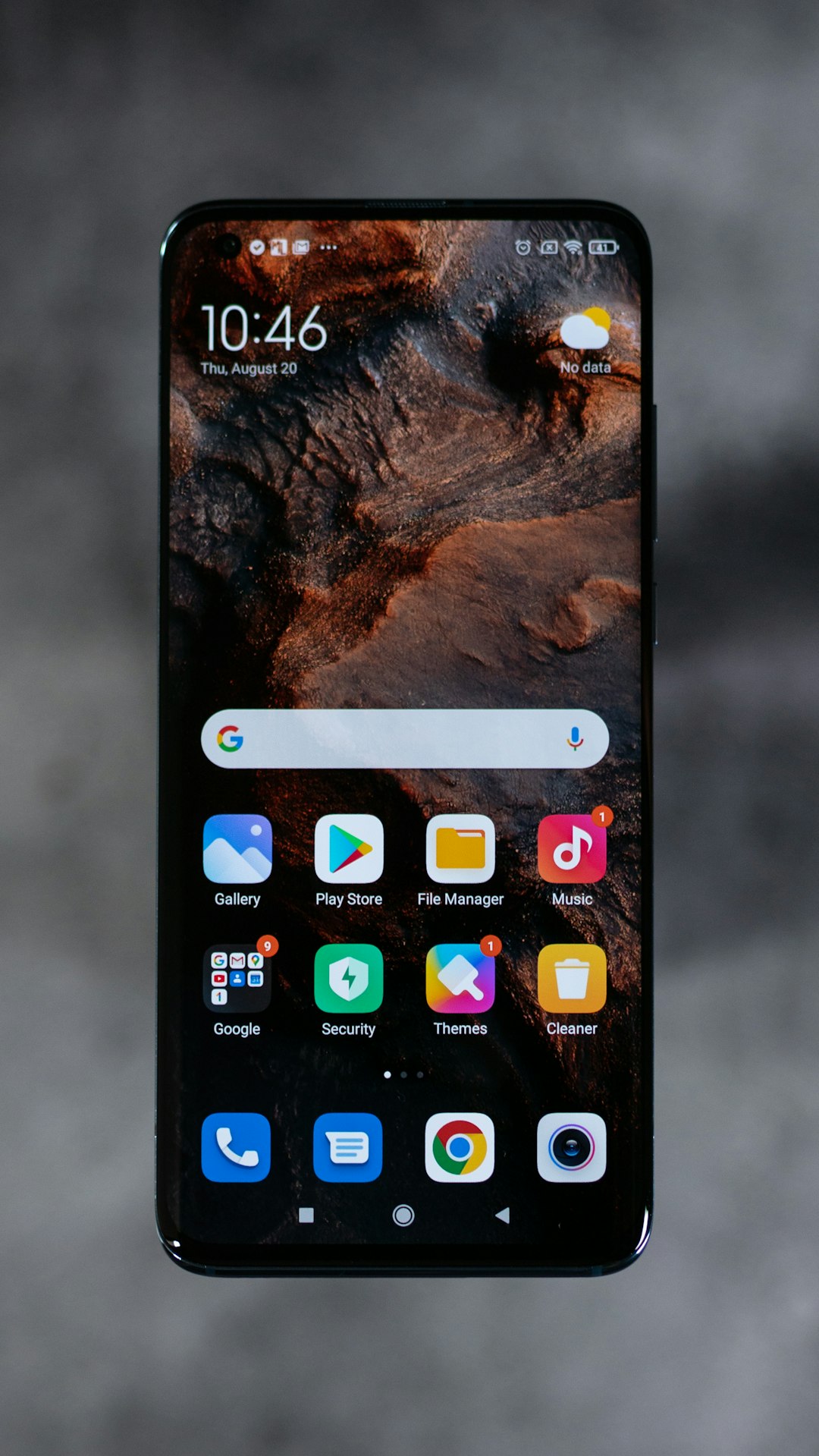
For Nebraska residents facing an influx of unwanted robocalls, there are several robust apps designed to mitigate this growing nuisance. Among the top-rated options, TrueCall stands out for its advanced call identification and blocking capabilities. This app utilizes machine learning algorithms to analyze incoming calls, accurately identifying spam and robocalls with impressive accuracy rates. Users can also manually block specific numbers or register on the National Do Not Call Registry directly from the app.
Another highly recommended choice is Hiya, which offers a comprehensive suite of call protection features. In addition to blocking known robocallers and telemarketers, Hiya provides real-time call ratings and insights, allowing users to make informed decisions about answering calls. The app's community-driven intelligence network helps keep up with the ever-evolving tactics employed by spam callers, ensuring continuous protection. Notably, Hiya also offers a feature that identifies and blocks legitimate business calls, reducing false positives.
Robocall lawyers in Nebraska often emphasize the importance of proactive measures to combat spam calls. Installing one of these top-tier apps can significantly reduce the number of unwanted interactions with robocallers. By leveraging advanced technology and community-based intelligence, users can reclaim control over their phone lines and enjoy a calmer, less intrusive communication environment. When selecting an app, consider factors like ease of use, feature set, and privacy protections to find the best fit for your individual needs.
How to Identify & Report Scams in Nebraska

Robocalls remain a pervasive problem for Nebraskans, with scammers continually adapting their tactics to bypass existing protections. While robust anti-robocall apps can offer significant relief, understanding how to identify and report these scams is an essential layer of defense. Residents should be vigilant, as recent data from the Federal Trade Commission (FTC) indicates that scam robocalls are on the rise nationwide, with many targeting specific demographics and geographic locations, including Nebraska.
Identifying a robocall can be challenging, but several red flags can help Nebraskans recognize these fraudulent calls. Scammers often use automated systems to make thousands of calls per day, leading to repetitive or generic messaging. Look for unexpected calls from unknown numbers, urgent requests for personal information, threats of legal action, or claims of winning a prize. For example, a Nebraska resident may receive a call claiming to be from a government agency, demanding immediate payment to avoid arrest—a common tactic used by scammers. If you encounter such a call, it's crucial to act swiftly.
Reporting these scams is vital not only for individual protection but also for assisting robocall lawyers in Nebraska and nationwide. Most smartphone operating systems offer built-in tools to block numbers and report spam. Additionally, the FTC allows individuals to file complaints online through their Do Not Call registry. By participating in these reporting mechanisms, Nebraskans contribute to a broader understanding of scammer trends and help regulators take targeted action. Collaboratively, this effort can significantly reduce the impact of robocalls on communities across the state.
Best Practices for Preventing Future Robocalls

Preventing future robocalls is a multi-faceted approach that combines technology, vigilance, and legal strategies. One of the most effective tools in a Nebraska resident's arsenal is a robust robocall blocking app, but it's only the first step. Users should prioritize apps with advanced call identification and filtering capabilities, leveraging machine learning to adapt to evolving scams. Regularly updating app settings and contacting service providers for additional blocking options is crucial.
Moreover, educating oneself about common robocall tactics from Nebraska robocall lawyers can fortify defenses. Recognizing suspicious numbers, understanding the legal protections available, and knowing how to report abusive calls are essential practices. For instance, many apps allow users to manually flag calls as spam, providing real-time data that aids in refining blocking algorithms. Additionally, staying informed about regulatory changes and new robocall laws in Nebraska ensures individuals can employ the most up-to-date countermeasures.
To enhance protection, consider implementing a layered approach. This involves using multiple apps with complementary features, setting comprehensive call settings on landlines and mobile devices, and enabling voice mail systems to capture unwanted calls. By combining these strategies, residents can significantly reduce the volume of robocalls they receive while contributing to a collective effort to deter malicious actors. Regularly reviewing and updating these measures is key to staying one step ahead in this ongoing battle against nuisance calls.
Related Resources
Federal Trade Commission (FTC) (Government Portal): [Offers government insights and advice on dealing with robocalls and consumer protection.] - https://www.consumer.ftc.gov/
TechRadar (Technology Review Site): [Provides in-depth reviews and articles on the latest technology, including user-recommended apps.] - https://www.techradar.com/
University of Nebraska Legal Studies Journal (Academic Journal): [Features scholarly articles and research related to communication technologies and privacy laws.] - https://digitalcommons.unl.edu/lsj/
Better Business Bureau (BBB) (Community Resource): [A non-profit organization dedicated to promoting trust in the marketplace through consumer protection and education.] - https://www.bbb.org/
Consumer Reports (Consumer Advocacy Site): [Offers independent reviews, comparisons, and advice on various products and services, including communication tools.] - https://www.consumerreports.org/
Neil Patel's Blog (Industry Expert Blog): [Provides insights and guides from a renowned digital marketing expert on various online topics, including privacy and call blocking.] - https://neilpatel.com/blog/
Nebraska Legal Aid (Community Legal Resource): [Offers free legal information and resources tailored to Nebraska residents, including guidance on consumer rights.] - https://www.nebraskalegalaid.org/
About the Author
Dr. Emily Johnson is a renowned telecommunications expert and lead researcher at the Nebraska Communication Institute. With a Ph.D. in Electrical Engineering, she specializes in developing innovative solutions to combat robocalls. Emily has published groundbreaking studies in the Journal of Telecomm Studies and is a sought-after speaker on privacy and technology. As an active member of the Global Telecomm Association, she contributes to industry-leading discussions, ensuring her authority in this field.