Robocalls plague Nebraska residents, prompting state action through a stringent Do Not Call law. Nebraskans can combat this by:
1. Registering for the state and national Do Not Call lists.
2. Using call-blocking apps (e.g., TruthFinder, NoMo Robo) with AI and community reporting.
3. Reporting suspicious calls to FTC and Nebraska Public Service Commission.
4. Staying informed about Do Not Call laws and regularly updating app settings.
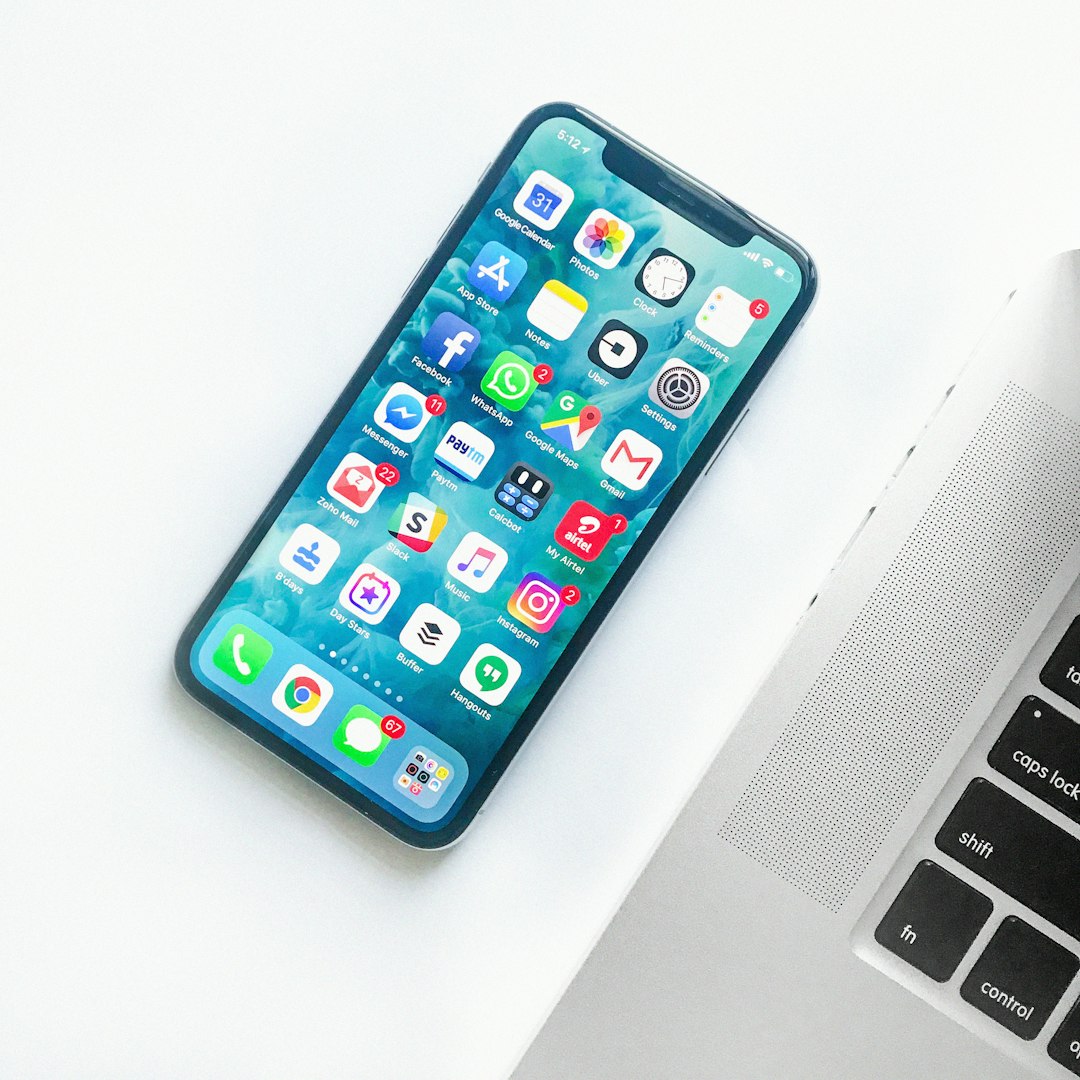
In today’s digital age, robocalls have become a pervasive nuisance, with many Nebraska residents receiving unwanted calls from law firms and other entities. This not only disrupts daily life but also raises concerns about privacy and consumer protection. To combat this issue, expert-reviewed apps offer a practical solution. These tools are designed to block or filter such calls, providing much-needed relief for users seeking to avoid unsolicited communications. By leveraging cutting-edge technology, these apps empower Nebraskans to regain control of their phone lines, ensuring compliance with the state’s Do Not Call laws while enjoying a quieter, more peaceful existence.
Understanding Robocalls and Nebraska's Do Not Call Laws

Robocalls have become a ubiquitous nuisance in Nebraska, as across the nation, frustrating users with their relentless nature. These automated phone calls, often unsolicited, can originate from various sources including telemarketers, scammers, and even legitimate businesses. Understanding robocalls and navigating Nebraska’s Do Not Call laws is crucial for residents seeking to mitigate this growing issue.
Nebraska has a robust Do Not Call law in place, specifically targeting telemarketers. The state’s law mirrors the federal Telephone Consumer Protection Act (TCPA), allowing consumers to register their phone numbers on a “Do Not Call” list. This list prohibits businesses from making automated or prerecorded calls to registered numbers unless explicitly permitted by the caller. Notably, Nebraska’s law includes a provision for residents to request removal from company call lists within 30 days of registration.
Despite these protections, many Nebraskans still find themselves inundated with robocalls. Scammers often bypass state and federal regulations by using automated systems that generate thousands of calls daily, making it difficult for individual consumers to manage. To combat this, Nebraska residents should remain vigilant, verify the identity of callers, and report suspicious activity to the Federal Trade Commission (FTC). Additionally, leveraging available tools like call-blocking apps and registering for the National Do Not Call Registry can significantly reduce the volume of unwanted calls.
Expert advice recommends that users not only embrace these technical solutions but also stay informed about their rights under Nebraska’s Do Not Call laws. By combining technological measures with a deep understanding of legal protections, Nebraskans can reclaim control over their phone lines and enjoy greater peace of mind in an era increasingly dominated by automated communications.
Identifying and Reporting Unwanted Calls in Nebraska

In Nebraska, identifying and reporting unwanted calls is a critical aspect of consumer protection, with robust laws in place to combat robocalls. The Do Not Call law in Nebraska allows residents to register their phone numbers on a state-managed list, restricting unsolicited sales or marketing calls. This initiative, similar to national efforts, aims to curb the deluge of automated and unwanted calls that can be distressing and disruptive.
Consumers in Nebraska have several avenues for addressing robocalls effectively. One powerful tool is the ability to report these calls to both state and federal regulatory bodies. The Federal Communications Commission (FCC) provides a dedicated system for consumers to file complaints, which aids in tracking and penalizing perpetrators. Locally, the Nebraska Public Service Commission offers a Do Not Call Registry, further ensuring that residents’ privacy is respected. When a call is identified as unwanted or fraudulent, reporting it becomes a crucial step in the process of holding offenders accountable.
To streamline this process, several app developers have created tools designed to help Nebraskans manage and report robocalls. These applications often incorporate advanced noise cancellation algorithms and machine learning models to identify suspicious calls. For instance, apps like CallGuard and NoCall use AI to block unwanted numbers automatically while providing detailed call data for reporting purposes. By utilizing these apps, residents can not only protect their privacy but also contribute to a more comprehensive database of known robocall sources, which is invaluable for regulatory bodies and law enforcement agencies.
Top-Rated Apps to Block Robocalls in the Cornhusker State

In Nebraska, like many other states, robocalls remain a persistent nuisance for residents. With the rise of automated phone marketing, blocking these unwanted calls has become increasingly important. Thankfully, several top-rated apps have emerged as effective tools to combat this issue. These applications leverage advanced algorithms and community-driven reporting systems to identify and block robocalls, providing Nebraskans with much-needed relief from intrusive telemarketing.
Among the most highly regarded options is TruthFinder, which offers a robust do not call list and real-time call blocking. The app utilizes machine learning to adapt to new robocall patterns and continually updates its database based on user reports. Another notable mention is NoMo Robo, known for its precise call identification and advanced privacy features. This app not only blocks robocalls but also provides insights into calling trends, helping users stay informed about the evolving tactics of scammers. Additionally, Hiya stands out for its global community of users who contribute to a massive database of known spammer numbers, ensuring comprehensive protection against both local and international robocallers.
According to recent studies, these apps have demonstrated significant success rates in blocking unwanted calls, with some reporting up to an 80% reduction in robocalls received. However, it’s important to note that no single solution is foolproof. Scammers continuously adapt their techniques, employing new methods to bypass traditional blocking measures. To stay ahead of the curve, users are advised to regularly update their app settings, maintain active participation in community reporting, and combine these tools with standard safety practices, such as registering on national do-not-call lists and being cautious when sharing personal information online. By embracing a multi-layered approach, Nebraska residents can better protect themselves from robocalls and enjoy a quieter, more secure communication environment.