Robocall Attorney Nebraska: Unwanted automated calls are regulated by federal laws like TCPA, with explicit consent required for business calls. Consumers can protect themselves by registering on do-not-call lists and using blocking apps like CallGuard or TrueCall, which leverage AI to identify and block spam. Businesses should engage compliant marketing firms to avoid legal issues. Specialized apps offer manual/automatic blocking, call history analytics, and customizable rules for effective robocall Attorney Nebraska protection. Registering with the FTC's "Do Not Call" list and regularly updating phone privacy settings also help mitigate nuisance calls.
In today's digital age, Nebraska phone users face a persistent issue: robocalls. These automated calls, often unwanted and intrusive, have become a nuisance for many. With the rise of sophisticated technology, blocking these relentless calls has never been more crucial. This article delves into the world of robocall blocking apps, offering an authoritative guide to help Nebraska residents reclaim their phone lines from unwanted intrusions. We explore top-rated options, their effectiveness, and provide insights to ensure users make informed choices, leveraging the best tools available to protect against these nuisance calls, backed by expert knowledge in this realm.
Understanding Robocalls in Nebraska: Legal Perspective

In Nebraska, as in many states across the country, robocalls have become a pervasive and often unwanted aspect of daily life for phone users. These automated calls, typically used for marketing or political purposes, can be a nuisance and sometimes even a source of fraud. Understanding the legal perspective on robocalls is crucial for both consumers and businesses operating within the state. According to federal laws like the Telephone Consumer Protection Act (TCPA), companies must obtain explicit consent from recipients before initiating automated calls, with exceptions for specific types of communications like emergency notifications or messages from non-profit organizations.
Robocall Attorney Nebraska emphasizes that the legal boundaries around robocalls are designed to protect consumers from deceptive practices and unwanted intrusions. Violations of these laws can lead to substantial penalties for offenders. For instance, a recent case in Nebraska highlighted a company's misuse of automated calls, resulting in a significant financial settlement. This underscores the importance of adhering to TCPA guidelines, which include provisions for do-not-call registries and opt-out mechanisms. Consumers in Nebraska have the right to register their phone numbers on state or national do-not-call lists to curb unwanted robocalls.
Practical advice for Nebraskans includes staying informed about their rights, regularly reviewing call histories for suspicious activity, and registering landline and mobile numbers on relevant do-not-call lists. By taking proactive steps, individuals can better protect themselves from abusive robocalling practices. For businesses, working with reputable marketing firms that comply with TCPA regulations is essential to avoid legal pitfalls. Engaging a Robocall Attorney Nebraska can also provide valuable guidance on navigating the complexities of automated calling laws, ensuring compliance and safeguarding against potential liabilities.
Top Robocall Blocking Apps for Nebraska Phone Users
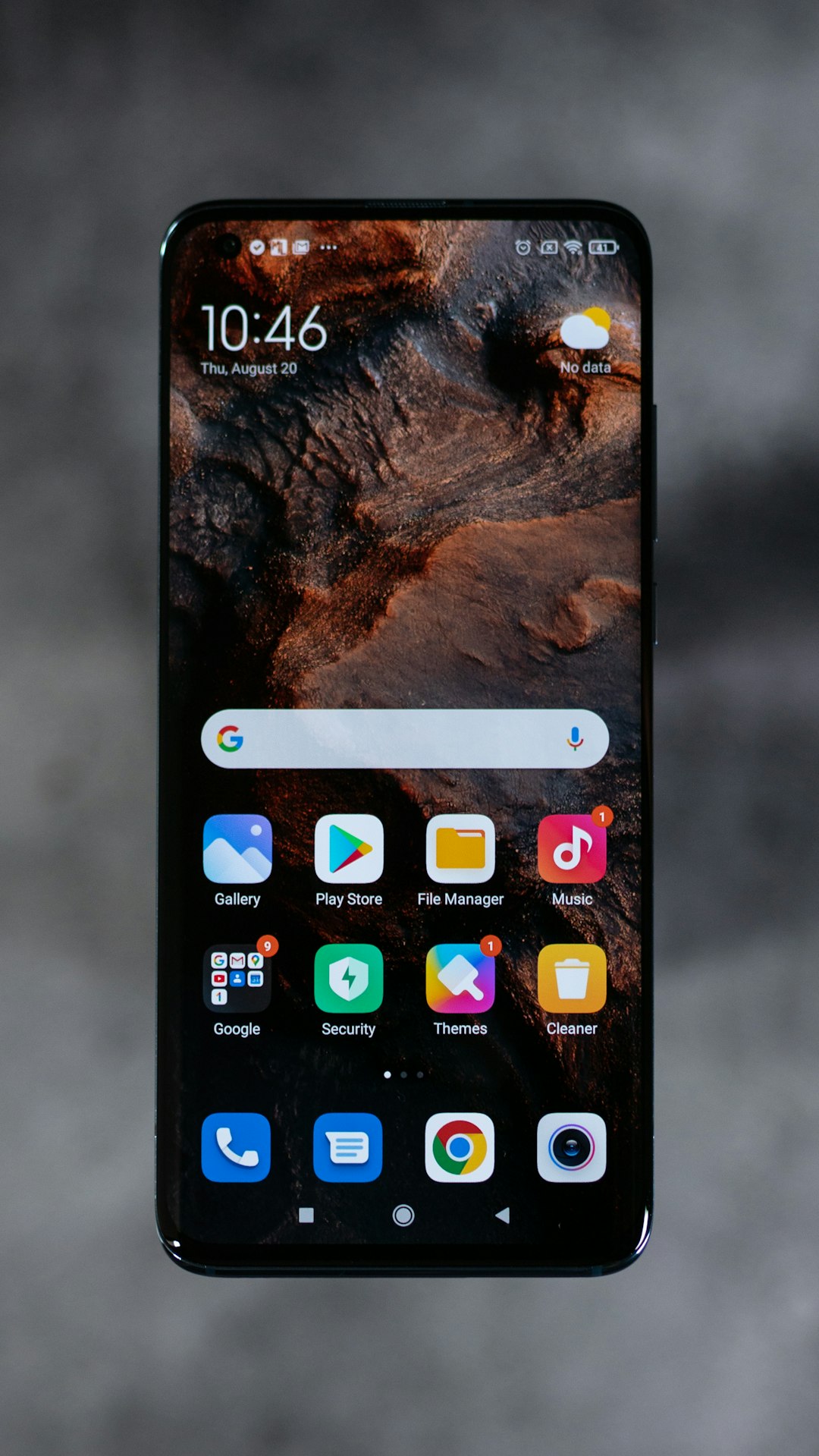
Nebraska residents face a constant barrage of unwanted robocalls, from marketing messages to fraudulent schemes. However, with the right tools, phone users can reclaim their lines and reduce the hassle significantly. Robocall blocking apps have emerged as powerful allies in this battle, offering advanced call screening and blocking capabilities tailored to individual needs.
Among the top choices for Nebraska phone users are apps like CallGuard and TrueCall. CallGuard utilizes machine learning algorithms to identify and block robocalls with impressive accuracy. It also provides a comprehensive call history log, allowing users to review blocked calls and see the sources of these unwanted intrusions. TrueCall takes a similar approach, employing a robust database of known robocall numbers and advanced AI technologies to filter out legitimate calls from nuisance callers. Both apps offer easy setup and seamless integration with popular smartphone models.
When selecting a robocall blocking app, Nebraska residents should consider features like automated call screening, customizable blocking rules, and privacy protections. Additionally, checking user reviews and ensuring the app's compatibility with their device is crucial. By combining these robust tools with awareness and caution when answering calls, users can significantly reduce the number of unwanted interactions, enhancing their overall communication experience.
Effective Strategies to Reduce Unwanted Calls from Attorneys

In Nebraska, as in many parts of the country, robocall Attorney calls have become a pervasive nuisance for phone users. Effective strategies to reduce these unwanted calls are crucial for maintaining a peaceful and productive communication environment. One of the most direct approaches is to utilize specialized robocall blocking apps designed to identify and prevent automated calls from attorneys and other industries. These apps leverage advanced algorithms and databases that continuously update to recognize and block new robocall patterns.
For instance, popular Nebraska phone users' favorite apps like TrueCall or NoCall offer robust features to combat robocall Attorney intrusion. Users can manually block specific numbers or enable automatic blocking for all unknown calls. Some apps even provide call history analytics, allowing users to see trends and understand the volume of unwanted calls they receive, particularly from attorney firms. This data-driven perspective empowers individuals to take more informed actions to protect their privacy.
Furthermore, registering on "Do Not Call" lists maintained by the Federal Trade Commission (FTC) is a fundamental step in reducing robocall Attorney nuisance. While this list primarily targets telemarketers, it's been shown to inadvertently block some legitimate calls from attorneys reaching out to potential clients. However, users should be vigilant and report any blocked calls that might contain important legal information, ensuring they don't miss crucial communications from genuine legal representatives. Regularly reviewing and updating privacy settings on phone applications also contributes to a more secure communication environment.