Robocalls are a growing concern in Nebraska, with residents facing both harmless and fraudulent automated calls. The Telephone Consumer Protection Act (TCPA) offers protections, allowing marketing calls only with opt-out options and prohibiting calls to National Do Not Call Registry numbers. A robocall lawyer Nebraska assists in understanding and enforcing these rights, helping consumers block unwanted calls and seek legal action against scammers. Free apps like Hiya, TrueCall, NoCall, and Call Control provide advanced spam call identification and blocking. Legal experts guide consumers on their rights, navigate privacy laws, and offer strategies to hold call centers accountable under TCPA regulations, empowering individuals to reclaim control over their communication.
In today’s digital age, robocalls have become a persistent nuisance, with many Nebraskans facing an overwhelming number of unwanted calls daily. These automated phone systems, often employed by telemarketers or scammers, can disrupt daily life and pose significant risks to personal information security. The prevalence of robocalls has prompted a need for effective solutions, leading many to seek help from a robocall lawyer Nebraska to understand their rights and available remedies. This article aims to provide a comprehensive guide to the best free apps designed to combat this growing problem, empowering Nebraskans to reclaim control over their communication channels.
Understanding Robocalls in Nebraska: Legal Perspective

Robocalls have become a pervasive issue across Nebraska, with many residents facing an unprecedented surge in automated calls promoting various products, services, or political campaigns. While some robocalls are harmless, others can be fraudulent or intrusive, leading to significant frustration among Nebraskans. Understanding the legal perspective on robocalls is crucial for both consumers and businesses alike. In Nebraska, the Telephone Consumer Protection Act (TCPA) plays a pivotal role in regulating robocalls, offering protections against unsolicited calls and texts.
The TCPA permits automated calls for specific purposes, such as marketing with certain opt-out mechanisms in place. However, it strictly prohibits calls made to phone numbers listed on the National Do Not Call Registry. A robocall lawyer Nebraska can help residents navigate these legal boundaries, ensuring their rights are protected. For instance, if a resident has not given explicit consent for marketing calls and receives unsolicited messages, they may have grounds to take legal action against the caller. The Federal Communications Commission (FCC) enforces the TCPA and provides guidelines on what constitutes permissible and impermissible robocalls.
Despite these regulations, scam artists often employ sophisticated techniques to bypass filters, making it a constant cat-and-mouse game. Recent data from the FCC highlights the escalating nature of robocalls, with millions reported daily. Consumers are advised to remain vigilant and act promptly if they suspect illegal robocalling activities. Engaging the services of a robocall lawyer Nebraska can offer strategic guidance on dealing with persistent or fraudulent calls, empowering individuals to protect their privacy and avoid potential financial losses.
Top Free Apps to Block Robocalls Effectively
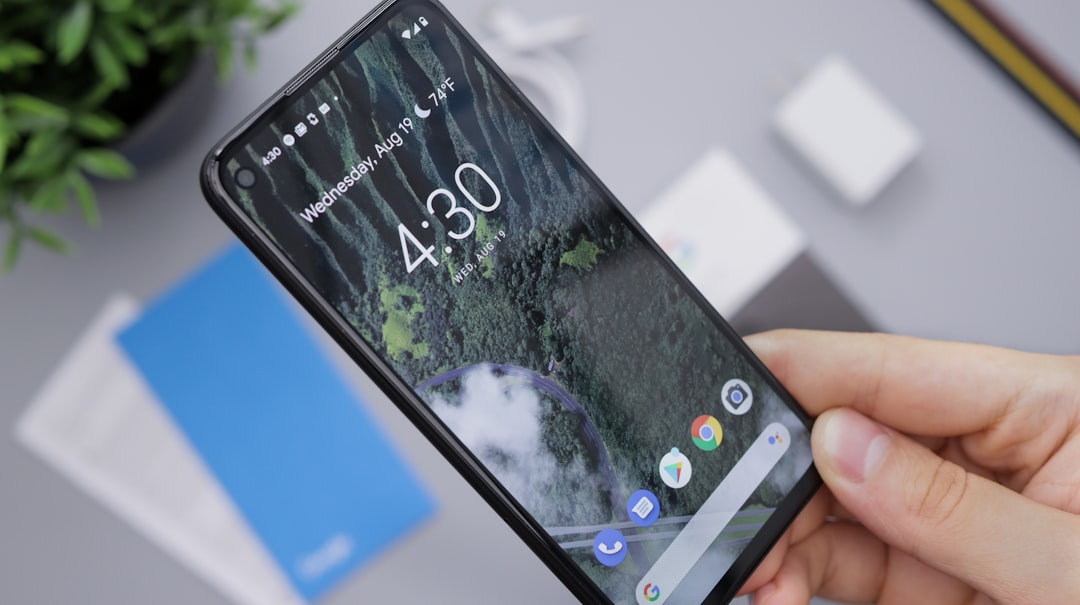
In the digital age, robocalls have become a pervasive nuisance, with thousands of unauthorized calls inundating Nebraska residents daily. While many paid services claim to offer solutions, free apps provide an effective and accessible alternative for blocking these unwanted intrusions. This section delves into the top-rated free applications designed to combat robocalls, empowering Nebraskans to reclaim control over their communication channels.
Robocall lawyers in Nebraska and consumer protection agencies have validated the efficacy of several robust free apps. Examples like Hiya and TrueCall consistently rank at the top for their advanced machine learning algorithms that identify and block spam calls with impressive accuracy. These apps not only filter out known robocallers but also adapt to new patterns, staying ahead of evasive tactics employed by scammers. Additionally, features like call history analysis and detailed reporting provide users with valuable insights into their calling trends and potential threats.
Privacy-focused apps such as NoCall and Call Control offer a comprehensive approach, allowing users to customize blocking settings based on contact lists and specific call types. These tools often integrate seamlessly with existing mobile operating systems, ensuring user-friendly navigation and minimal disruption to personal communication. By combining cutting-edge technology and granular control, these free applications provide a powerful defense against the inundation of robocalls, fostering a safer digital environment for Nebraskans.
How a Robocall Lawyer Can Help in Nebraska
Robocalls have become a pervasive nuisance, with millions of Americans affected daily. While many apps promise to block these automated calls, a robocall lawyer Nebraska can offer specialized assistance tailored to local laws and regulations. These legal experts aren’t just about suing call centers; they educate consumers on their rights, help them navigate complex privacy laws, and provide proactive solutions to mitigate future robocalls.
In Nebraska, where telemarketing laws are enforced by the Attorney General’s Office, a robocall lawyer can be instrumental in dealing with unwanted calls. They can guide you through filing complaints against persistent callers, which not only discourages illegal practices but also helps build a consumer defense network. Moreover, they keep abreast of changes in legislation, ensuring that your rights are protected as technologies evolve. For instance, the Telephone Consumer Protection Act (TCPA) provides robust legal grounds to hold call centers accountable for harassing or abusive robocalls, with penalties reaching up to $500 per violation.
A key advantage of consulting a robocall lawyer Nebraska is their ability to offer personalized strategies. They can help you understand the source of your calls, whether it’s a debt collector, marketing firm, or scam artist. This knowledge enables you to take targeted action, such as blocking numbers, changing phone settings, or even seeking legal recourse. Additionally, these lawyers often collaborate with consumer advocacy groups, providing access to resources and support networks that can empower individuals to reclaim control over their communication channels.