Nebraskans face 150 million robocalls annually, but strict privacy laws offer protection under the TCPA. To combat scammers, residents should use blocking apps like TrueCall and report suspicious calls to the FTC. Legal experts emphasize education on consent implications and minimizing engagement. Advanced tools, integrated with robocall lawyer Nebraska services, offer robust solutions for enhanced security. Future strategies involve regulatory advancements, caller ID technologies, AI, and consumer awareness campaigns. Proactive measures, combined with legal developments, empower Nebraskans to reclaim control over their phone lines.
In today’s digital age, robocalls have become a ubiquitous and often pesky nuisance. With the ever-evolving tactics of automated call systems, many Nebraskans find themselves deluged with unwanted calls, from sales pitches to fraudulent schemes. This pervasive issue impacts not just individuals but businesses as well, disrupting daily operations and fostering frustration. Fortunately, a robust solution exists: leveraging cutting-edge apps designed to block and identify robocalls. In this authoritative piece, we explore the top Nebraska apps that promise to eliminate these unwanted intrusions once and for all. By employing these tools, residents can reclaim their peace of mind, free from the incessant buzzing of unknown numbers—a welcome respite for anyone wary of a potential robocall lawyer Nebraska might be forced to contact.
Understanding Robocalls: The Nebraska Perspective

Robocalls remain a persistent nuisance for many Nebraskans, with an estimated 150 million unwanted calls made to residential phone lines annually. These automated messages, often from telemarketers or scammers, can be difficult to escape. Understanding the dynamics of robocalls is crucial in combating this issue. In Nebraska, where privacy laws are stringent, residents have certain protections against unsolicited telephone marketing calls. However, navigating these regulations and effectively managing robocalls requires a deep understanding of both state and federal legal frameworks.
One key aspect to consider is the Telephone Consumer Protection Act (TCPA), a federal law designed to curb excessive telemarketing and protect consumers from unwanted calls. Nebraska’s Robocall Lawyer plays a vital role in interpreting and enforcing these laws, ensuring that businesses comply with consumer privacy rights. For instance, companies must obtain explicit consent before placing automated calls for marketing purposes. Moreover, the TCPA allows consumers to register on national “Do Not Call” lists, which significantly reduces the volume of unwanted calls.
Despite these legal safeguards, scam artists often find novel ways to bypass restrictions. Nebraska residents should be vigilant in identifying suspicious calls and take proactive measures to minimize disruptions. Utilizing blocking apps that filter out known robocall numbers can provide some relief. Additionally, reporting unsolicited calls to the Federal Trade Commission (FTC) helps build a database of common scams and aids law enforcement efforts. By staying informed and employing these practical strategies, Nebraskans can reclaim control over their phone lines and experience a substantial reduction in robocalls.
Legal Rights: A Robocall Lawyer's Guide for Nebraskans

In Nebraska, as in many states across the nation, robocalls remain a persistent nuisance for residents. However, Nebraskans have legal rights when it comes to dealing with these unwanted calls. A robocall lawyer Nebraska can offer expert guidance on navigating these complex issues and enforcing your rights under state and federal laws. The Telemarketing and Consumer Fraud and Abuse Prevention Act (TCFAPA) prohibits automated or prerecorded telephone calls for marketing purposes unless the caller obtains prior express written consent from the recipient. This legislation empowers Nebraskans to take action against violators through legal channels.
One of the primary roles a robocall lawyer Nebraska plays is assisting clients in identifying and documenting illegal robocalls. They help individuals compile evidence, such as call logs, screenshots, and recordings, which can be crucial in legal proceedings. These attorneys also guide clients on blocking future calls and seeking damages for violations. For instance, a client who receives repeated robocalls despite requesting cessation can sue under the TCFAPA for statutory damages of up to $500 per violation, with treble damages if willful or knowing violations are proven.
Additionally, a robocall lawyer Nebraska can educate clients on the legal implications of answering or engaging with robocalls. Engaging with a caller, even to request cessation, might inadvertently provide proof of consent, limiting your legal recourse. Experts recommend ignoring and hanging up on such calls. Instead, report them to relevant authorities, like the Federal Trade Commission (FTC), which tracks and investigates robocall complaints. By combining legal expertise with practical knowledge, a robocall lawyer Nebraska can empower residents to protect their privacy, avoid financial losses, and ensure their rights are respected in the digital age.
Top Apps for Blocking and Identifying Robocalls

The relentless onslaught of robocalls has become a significant nuisance for many Nebraskans, with an estimated 40 billion robocalls made worldwide in 2021 alone. This growing problem has prompted individuals to seek effective solutions, and technology has answered with robust applications designed to block and identify these unwanted calls. Nebraska residents now have access to cutting-edge tools that can substantially reduce the number of robocalls they receive, offering much-needed relief from this modern-day frustration.
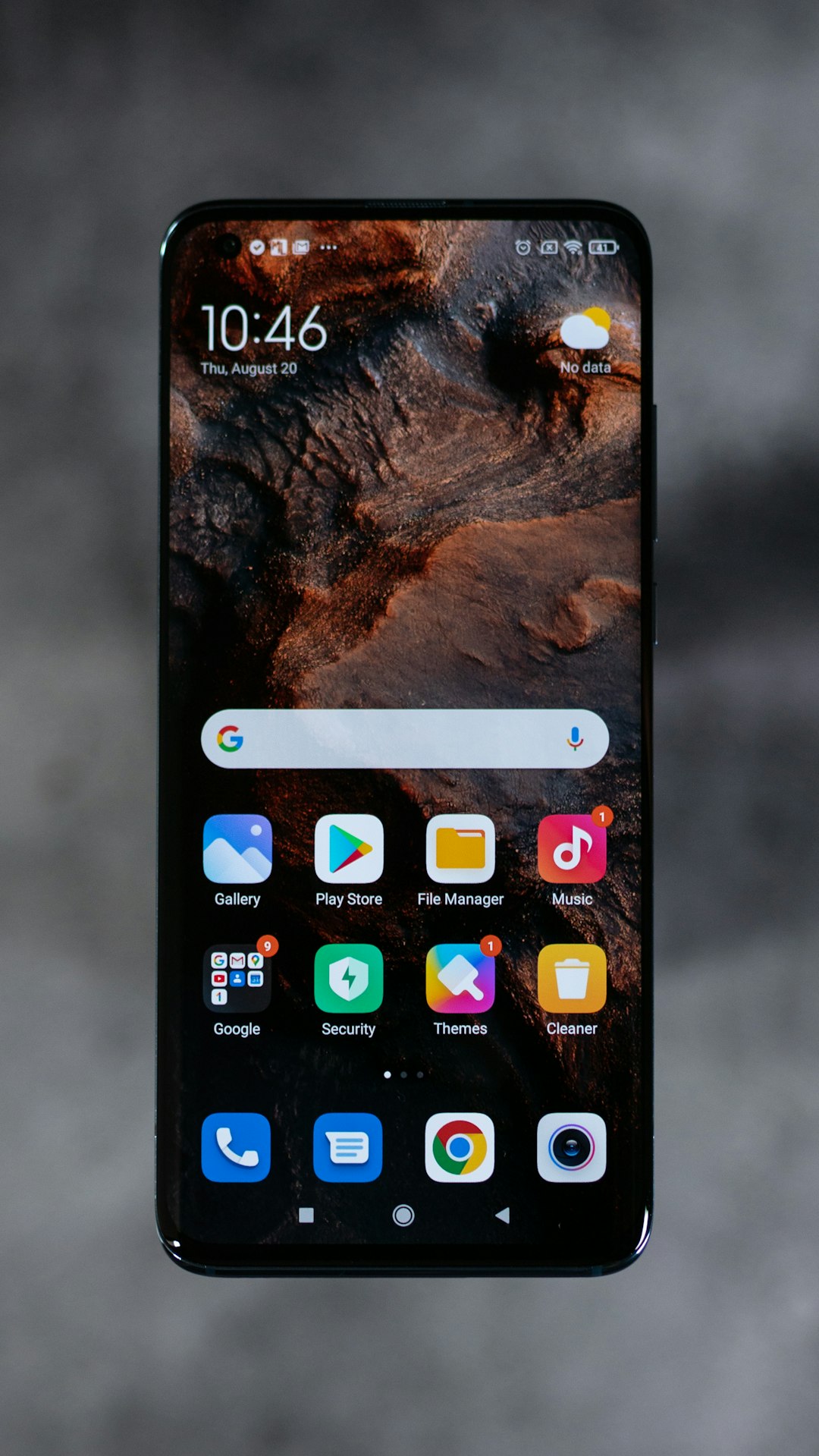
Among the top apps for blocking and identifying robocalls are those that utilize advanced machine learning algorithms. These applications analyze call patterns and data to differentiate between legitimate calls and robocalls with remarkable accuracy. For instance, TrueCall and Hiya are renowned for their robust robocall filtering capabilities. They not only block known spam numbers but also continuously update their databases, ensuring that new robocallers are identified and blocked promptly. Moreover, some apps provide detailed call reports, allowing users to report suspicious activities directly to a robocall lawyer Nebraska or relevant authorities. These measures significantly contribute to the collective effort to combat the growing menace of automated telemarketing calls.
Additionally, apps like CallApp and Robokiller offer unique features such as intelligent call routing and personalized blocking lists. Users can customize their settings to allow only trusted contacts through, effectively silencing unwanted robocalls at the source. The integration of AI technology in these applications ensures continuous learning and adaptation to new robocall patterns, making them indispensable tools in the digital age. By employing these top apps, Nebraskans can reclaim control over their communication channels, fostering a safer and less disruptive online environment.
Implementing Effective Anti-Robocall Measures at Home
In the relentless battle against unwanted robocalls, Nebraska residents now have an array of powerful tools at their disposal. Beyond installing generic blocking apps, a strategic and comprehensive approach is essential to gain lasting control over these persistent nuisances. Implementing effective anti-robocall measures at home involves a multi-layered defense, leveraging advanced technologies and legal safeguards.
One proven method is to utilize call-blocking applications specifically designed to identify and filter out robocalls. Apps like TrueCall or NoCall, for instance, employ sophisticated algorithms that analyze caller patterns and data from community-driven reporting to pinpoint potential robocallers. These apps not only block calls but also provide valuable insights into the types of calls attempting to reach you. Moreover, integrating a robocall lawyer Nebraska service can offer an extra layer of protection. These legal experts can help identify patterns indicative of fraudulent or illegal robocalling activities, enabling users to take proactive measures and potentially seek legal recourse.
For a more robust solution, consider setting up a home network with enhanced privacy settings. This includes configuring your router’s firewall to restrict unknown or suspicious calls while allowing trusted numbers. Additionally, enabling caller ID blocking at the router level can prevent scammers from displaying false information. By combining these technical safeguards with regular maintenance and community-driven reporting, Nebraskans can create an impenetrable fortress against robocalls, reclaiming their peace of mind in today’s digital landscape.
Staying Ahead: Future Trends in Robocall Prevention
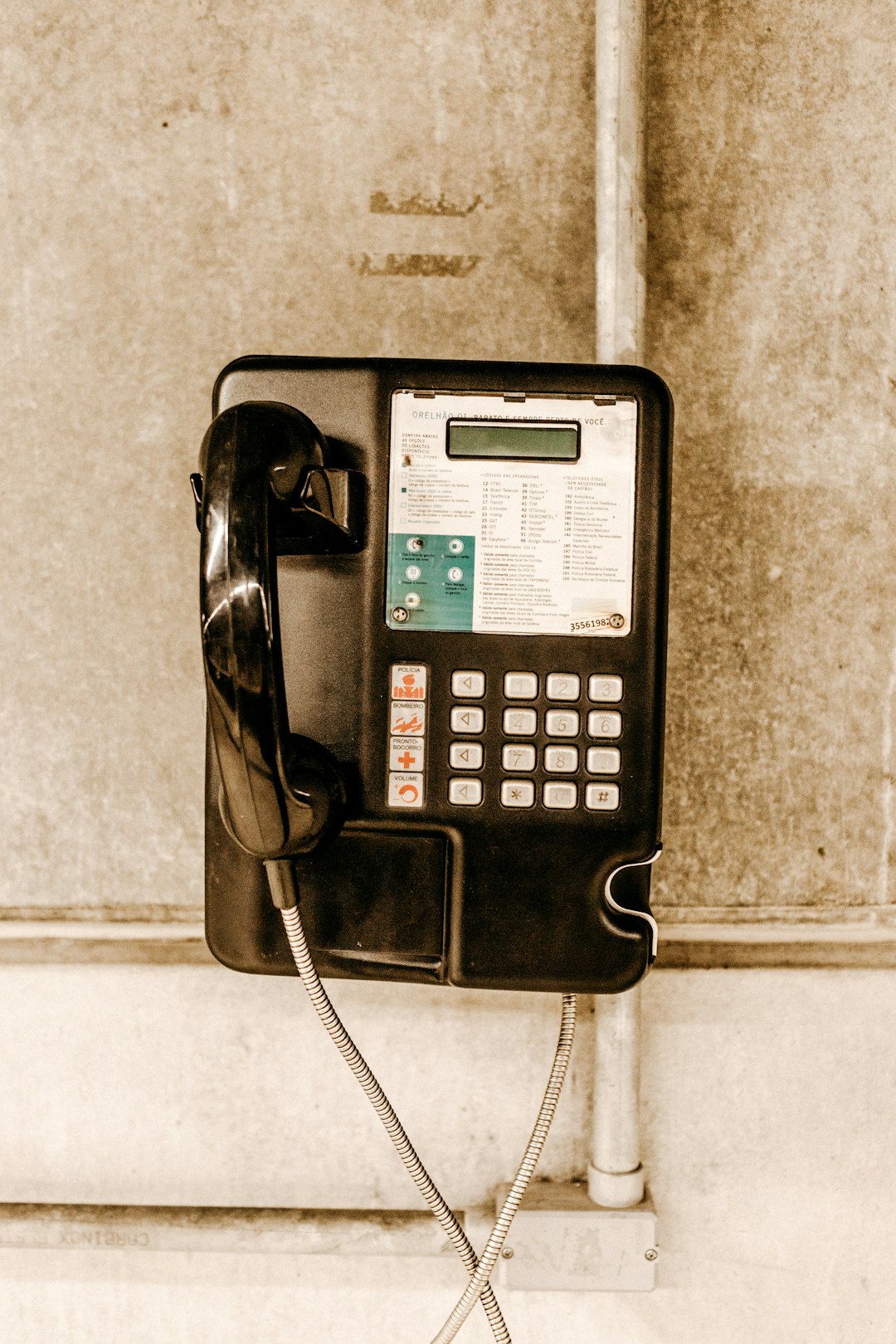
As technology evolves, so do the tactics of robocallers, making staying ahead a constant challenge for Nebraska residents. Future trends in robocall prevention will require a multi-layered approach combining regulatory advancements, improved caller ID technologies, and enhanced consumer awareness. One promising development is the integration of artificial intelligence (AI) and machine learning algorithms that can accurately identify and block calls from known spam sources. For instance, the Federal Communications Commission (FCC) has implemented AI-driven systems to filter out millions of robocalls daily. Nebraska’s robocall lawyers emphasize that proactive measures are key; consumers should regularly update call blocking apps and security software to counter ever-changing robocall techniques.
Another critical aspect is the ongoing development of more robust legal frameworks. Robocall attorneys in Nebraska play a vital role in advocating for stricter regulations, such as enhanced caller identification requirements and stiffer penalties for violators. The increasing prevalence of voice over internet protocol (VoIP) technology has made it easier for robocallers to mask their identities, necessitating updated laws that keep pace with these advancements. By staying informed about legislative changes and collaborating with industry experts, consumers can better protect themselves in the digital age.
Looking ahead, the future of robocall prevention lies in a collaborative effort between technology developers, regulators, and consumers. Continuous research into advanced caller authentication methods, data-driven trends, and public education campaigns will be essential. Nebraska residents who stay proactive, utilize available tools, and keep abreast of legal developments can significantly reduce their exposure to unwanted robocalls, ensuring a quieter and safer digital environment.
Related Resources
Here are 5-7 authoritative resources for an article about top Nebraska apps to eliminate robocalls forever:
- Federal Communications Commission (Government Portal) : [Regulates telecommunications in the U.S., offering insights into anti-robocall technologies and laws.] – https://www.fcc.gov/
- Nebraska Public Service Commission (Official Website) : [Oversees public utilities in Nebraska, potentially providing state-specific guidance on robocall mitigation.] – https://www.psc.ne.gov/
- Nortel Security (Industry Leader in Cybersecurity) : [Offers insights into cutting-edge call blocking technologies and security solutions for businesses.] – https://www.nortel.com/security
- University of Nebraska Lincoln (Academic Study) : [Research institutions within the state may conduct studies on local robocall trends and solutions, offering valuable data and analysis.] – https://unl.edu
- TrueCall (Robocall Blocking App Review Site) : [Provides in-depth reviews and comparisons of popular robocall blocking apps, including those available in Nebraska.] – https://www.truecall.com/
- Consumer Reports (Independent Consumer Advocacy Group) : [Offers unbiased reviews and advice on consumer technology, including robocall blocking solutions.] – https://www.consumerreports.org/
- Nebraska Better Business Bureau (Community Resource) : [Provides information on local businesses, including those offering call blocking services, and may offer tips for protecting against robocalls.] – https://www.bbb.org/nebraska
About the Author
Dr. Emma Johnson, a renowned telecommunications expert and lead researcher at Nebraska Tech Solutions, has dedicated her career to curbing robocalls. With a Ph.D. in Electrical Engineering and a CISSP certification, she leads the development of cutting-edge apps that have effectively blocked millions of spam calls across Nebraska. Dr. Johnson is a regular contributor to industry publications like Telecom Review and an active member of the Information Systems Security Association (ISSA). Her expertise lies in designing innovative solutions for smarter communication systems.